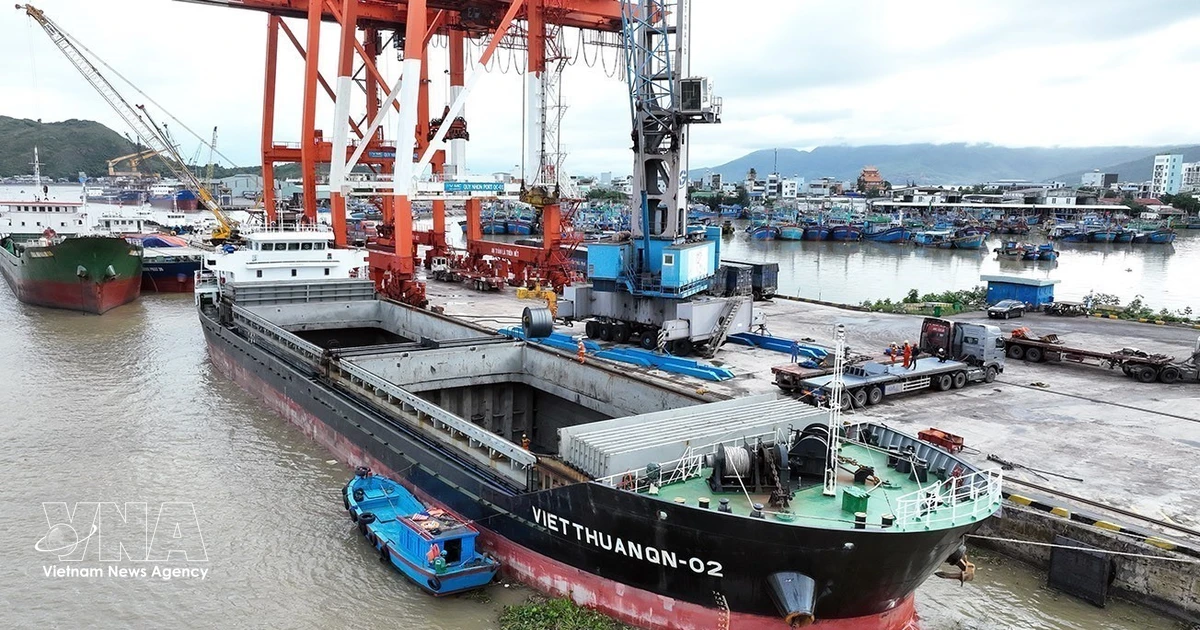
In a significant move to support the nation's shipping industry and maintain economic stability, Vietnamese authorities have announced a minimum 10% reduction in pilotage service fees for all Vietnamese-flagged vessels. This strategic decision comes at a critical time when maritime operators face mounting financial pressures from volatile fuel costs and global economic uncertainties, particularly those stemming from geopolitical tensions in key trading regions.
The coordinated effort between regulatory bodies and the maritime business community represents a proactive approach to preserving Vietnam's competitive edge in regional shipping while ensuring the uninterrupted flow of essential goods and energy resources throughout the country's supply chains.
Understanding the Impact of Pilotage Fee Reductions
Pilotage services are essential components of maritime operations, providing specialized navigation expertise to guide vessels safely through harbors, ports, and coastal waters. These mandatory maritime services typically represent a significant operational expense for shipping companies, particularly those operating frequent routes through Vietnamese waters.
The 10% fee reduction applies exclusively to Vietnamese-flagged vessels, offering domestic shipping operators a competitive advantage while encouraging companies to register their fleets under the national flag. This policy adjustment is expected to generate substantial cost savings across the maritime sector, with benefits extending far beyond individual shipping companies to impact the broader economy.
For vessel operators managing tight profit margins, even a 10% reduction in pilotage fees can translate to meaningful annual savings. When multiplied across hundreds of port calls and dozens of vessels, these savings accumulate into significant capital that companies can redirect toward fleet modernization, crew training, or operational improvements.
A Coordinated Response to Economic Pressures
The pilotage fee reduction doesn't exist in isolation but forms part of a comprehensive strategy by Vietnamese authorities to mitigate rising transportation costs across multiple sectors. The government has demonstrated remarkable agility in responding to economic challenges, with parallel initiatives addressing fuel cost impacts on transport and construction industries.
Recent proposals from the Ministry of Transport include additional measures designed to maintain supply chain efficiency amid regional conflicts, particularly those affecting Middle Eastern trade routes. These coordinated actions reflect a sophisticated understanding of how interconnected modern logistics networks have become and the ripple effects that disruptions in one area can have throughout the entire economic system.
The timely and coordinated actions taken by regulatory authorities and the business community will not only help ease cost pressures but also ensure smooth maritime transport, and stabilize the supply of goods and energy for the economy.
Major transport firms have shown similar commitment to economic stability by maintaining fare structures despite significant fuel price fluctuations. This collaborative approach between government regulators and private sector operators creates a buffer against market volatility that ultimately benefits consumers and businesses dependent on reliable, affordable transportation services.
Strategic Benefits for Vietnam's Maritime Sector
Vietnam's maritime industry serves as a critical economic pillar, facilitating international trade and connecting the nation's extensive coastline with global markets. The country's strategic position along major shipping lanes between the Pacific and Indian Oceans gives it natural advantages that supportive policies like the pilotage fee reduction help maximize.
Key benefits of this policy initiative include:
- Enhanced competitiveness for Vietnamese shipping companies in regional markets where every cost advantage matters
- Improved cash flow for maritime operators, enabling investment in safety improvements and environmental compliance
- Incentivized domestic registration of vessels, potentially growing Vietnam's merchant fleet and associated tax revenues
- Stabilized supply chains for essential goods, energy resources, and raw materials critical to manufacturing sectors
- Protected employment in maritime services, port operations, and related industries dependent on healthy shipping activity
- Reduced inflationary pressures by containing transportation costs that ultimately affect consumer prices
The policy also sends positive signals to international shipping partners and potential investors in Vietnam's maritime infrastructure. Countries that demonstrate commitment to maintaining competitive, business-friendly maritime regulations tend to attract greater port investment and shipping route development, creating virtuous cycles of economic growth.
Broader Economic Implications
While the immediate beneficiaries are shipping companies and port operators, the economic benefits of reduced maritime costs extend throughout Vietnam's economy. Manufacturing exporters rely on cost-effective shipping to maintain international competitiveness. Energy importers depend on efficient maritime logistics to ensure stable fuel supplies at reasonable costs. Agricultural exporters need affordable transportation to deliver perishable goods to regional markets before quality deteriorates.
The maritime transport sector functions as economic infrastructure—when it operates efficiently and affordably, numerous other industries benefit. Conversely, when shipping costs rise dramatically, those increases propagate through supply chains, eventually reaching consumers through higher prices for everyday goods.
Vietnam's proactive approach to managing these costs demonstrates sophisticated economic planning that recognizes these interconnections. Rather than waiting for cost pressures to create crises, authorities have implemented preventive measures that maintain stability and business confidence.
Why This Matters
The 10% pilotage fee reduction represents more than a simple cost-cutting measure—it exemplifies the type of responsive, evidence-based policymaking that modern economies require to navigate increasingly complex global challenges. As geopolitical tensions, climate events, and market volatility create ongoing uncertainties in international trade, countries that can rapidly adjust policies to support critical industries gain significant advantages.
For businesses operating in or trading with Vietnam, this development offers reassurance that authorities remain committed to maintaining competitive operating environments despite external pressures. For Vietnamese citizens, it helps ensure that essential goods remain available at stable prices, protecting living standards during turbulent economic periods.
The maritime industry's health directly correlates with economic vitality in coastal and trading nations. Vietnam's willingness to invest in this sector's competitiveness through strategic fee reductions positions the country advantageously for continued growth in regional trade networks increasingly centered on Southeast Asian economies.
As global supply chains continue evolving and regionalizing, Vietnam's combination of strategic geographic position, growing manufacturing capacity, and supportive maritime policies creates compelling advantages. The pilotage fee reduction, while seemingly technical, forms part of the larger strategic framework positioning Vietnam as a preferred logistics hub and manufacturing destination in the Asia-Pacific region.
Originally reported by Vietnam+. Read the original article →
This article was independently written using AI based on publicly available news. It is not affiliated with or endorsed by the original publisher.