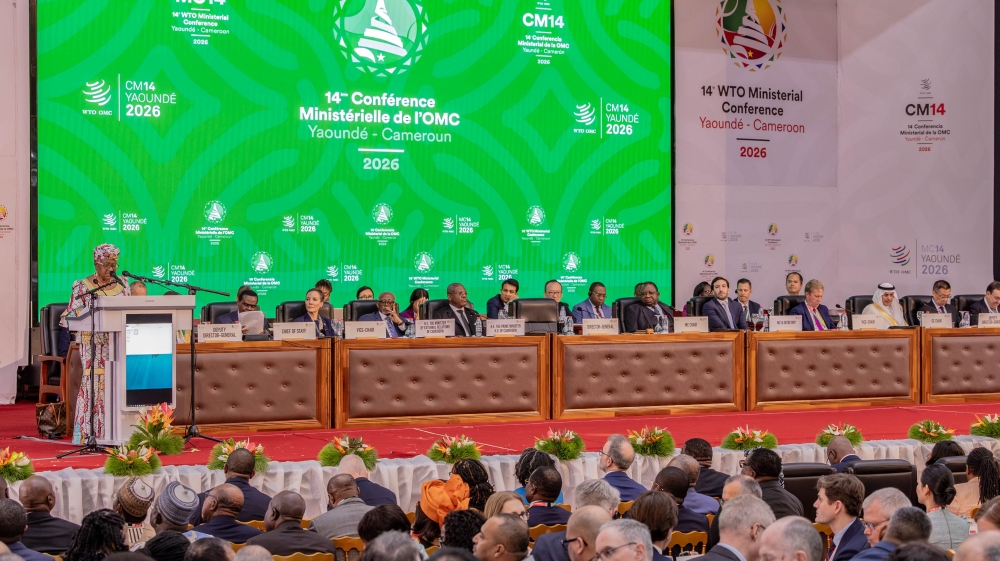
The landscape of global digital commerce stands at a critical crossroads as trade representatives from around the world gather in Cameroon for a pivotal World Trade Organization meeting. At the heart of the discussion lies a fundamental disagreement between two economic powerhouses—India and the United States—over how digital transmissions should be taxed in the future. While India has signaled conditional support for a two-year extension of the current moratorium on e-commerce duties, the United States is pushing for something far more ambitious: a permanent ban on such tariffs altogether.
This divergence in approach reflects not just differing economic philosophies, but also contrasting visions for how developing and developed nations should navigate the rapidly evolving digital economy. As e-commerce continues to reshape global trade patterns, the outcome of these negotiations could have profound implications for businesses, consumers, and governments worldwide.
Understanding the E-Commerce Moratorium
The e-commerce moratorium at the center of this debate has been a cornerstone of WTO policy since 1998. This agreement prevents member countries from imposing customs duties on electronic transmissions—essentially, digital products and services that cross borders through the internet rather than physical shipping channels. Everything from software downloads and streaming services to digital books and cloud computing services falls under this umbrella.
The moratorium has been renewed repeatedly over the past two and a half decades, typically for two-year periods. Each renewal, however, has become increasingly contentious as nations reassess their positions based on how the digital economy has evolved. What once seemed like a straightforward measure to encourage nascent e-commerce has now become a complex policy question with billions of dollars in potential tax revenue at stake.
What's at Stake for Developing Nations
For countries like India, the question of whether to tax digital transmissions is fundamentally about economic sovereignty and revenue generation. Developing nations argue that as physical goods are increasingly replaced by digital alternatives, they're losing valuable customs revenue that could fund essential public services and infrastructure development. When a consumer in Mumbai purchases software from a Silicon Valley company, that transaction generates no tariff revenue for India under the current moratorium.
India's position reflects a broader concern among developing economies that the current system disproportionately benefits wealthy nations where most digital service providers are headquartered. These countries worry about being locked into an arrangement that could cost them billions in potential revenue as digitalization accelerates across all sectors of the economy.
The US Push for Permanence
The United States, home to many of the world's largest technology companies and digital service providers, advocates for making the moratorium permanent. American trade representatives argue that a permanent ban on digital tariffs would provide certainty for businesses, encourage innovation, and prevent a fragmented global digital marketplace where different countries impose varying duties on electronic transmissions.
From the US perspective, taxing digital transmissions would be counterproductive for everyone. They contend that such tariffs would raise costs for consumers, create compliance nightmares for businesses operating internationally, and ultimately slow the growth of the digital economy that has become increasingly vital for global prosperity. The COVID-19 pandemic underscored how essential unfettered digital commerce has become for education, healthcare, business continuity, and social connection.
Furthermore, US negotiators emphasize that imposing customs duties on digital products would be technically complex and administratively burdensome. How would countries accurately assess the value of a software update or a streamed movie for tariff purposes? The practical challenges alone, they argue, make such an approach problematic.
India's Conditional Two-Year Compromise
India's willingness to support a two-year extension represents a pragmatic middle ground, but it comes with important caveats. By agreeing only to a limited extension rather than a permanent arrangement, India preserves its policy flexibility to potentially impose duties in the future if circumstances warrant. This approach allows developing nations to continue evaluating how the digital economy affects their revenue streams and economic development goals.
The Indian position also reflects a desire to keep negotiations open. A two-year window provides time for further study, dialogue, and potentially the development of alternative frameworks that might better address the concerns of both developed and developing nations. This could include discussions about other forms of digital taxation, such as the digital services taxes that several countries have begun implementing, or new international agreements on how to fairly distribute tax revenue from multinational digital corporations.
Key differences between the two positions include:
- Duration: India supports a two-year renewable moratorium versus the US preference for a permanent ban
- Flexibility: India seeks to maintain policy options while the US wants binding certainty
- Revenue concerns: India prioritizes potential tax income whereas the US emphasizes trade facilitation
- Development perspective: India represents emerging economy interests while the US reflects developed nation priorities
- Business certainty: The US argues permanent rules help investment planning while India values adaptability
Broader Implications for Global Digital Trade
The outcome of this WTO meeting in Cameroon will reverberate far beyond the immediate question of e-commerce duties. It touches on fundamental questions about how international trade rules should evolve to accommodate digital transformation. The disagreement between India and the US exemplifies the tension between maintaining an open, borderless internet and ensuring that governments can effectively regulate and derive revenue from economic activity within their jurisdictions.
Other developing nations are watching closely, as India's substantial economy and significant voice in international forums make its position influential. If India successfully negotiates for continued flexibility rather than accepting permanent restrictions, other countries may feel empowered to take similar stances. Conversely, if the US prevails in establishing a permanent moratorium, it could set a precedent that shapes digital trade policy for generations.
The debate over e-commerce tariffs isn't just about tax revenue—it's about determining whether the digital economy will be governed by rules that recognize the different needs and developmental stages of member nations, or by a one-size-fits-all approach that prioritizes trade liberalization above all else.
Why This Matters
For businesses engaged in international digital commerce, the resolution of this debate has practical implications. A permanent moratorium would provide long-term certainty for pricing, compliance, and market expansion strategies. Companies could confidently invest in digital services across borders without worrying about future tariff complications. However, a continued short-term extension approach means businesses must maintain flexibility and prepare for potential policy changes.
For consumers, particularly in developing nations, the stakes are equally significant. If countries like India eventually impose duties on digital transmissions, costs for software, streaming services, and digital products could increase. However, the additional revenue might fund improvements in digital infrastructure, education, and public services that could ultimately benefit those same consumers in different ways.
For policymakers worldwide, this WTO meeting represents a critical juncture in determining how international institutions will adapt to technological change. The ability of the WTO to broker compromises on contentious digital economy issues will affect its relevance and effectiveness in an increasingly digitalized world. Success in finding common ground could reinvigorate the organization's role in trade governance, while failure might accelerate the trend toward bilateral and regional digital trade agreements that bypass multilateral institutions.
As negotiations continue in Cameroon, the international community watches to see whether compromise between India's conditional support and America's push for permanence is possible. The two-year versus permanent divide may seem technical, but it encapsulates fundamental questions about fairness, development, sovereignty, and the future structure of the global digital economy. Whatever emerges from these discussions will shape how billions of digital transactions are treated for years to come, affecting everyone from Silicon Valley entrepreneurs to small businesses in emerging markets to consumers everywhere who increasingly rely on digital services for work, education, and entertainment.
Originally reported by Malay Mail. Read the original article →
This article was independently written using AI based on publicly available news. It is not affiliated with or endorsed by the original publisher.