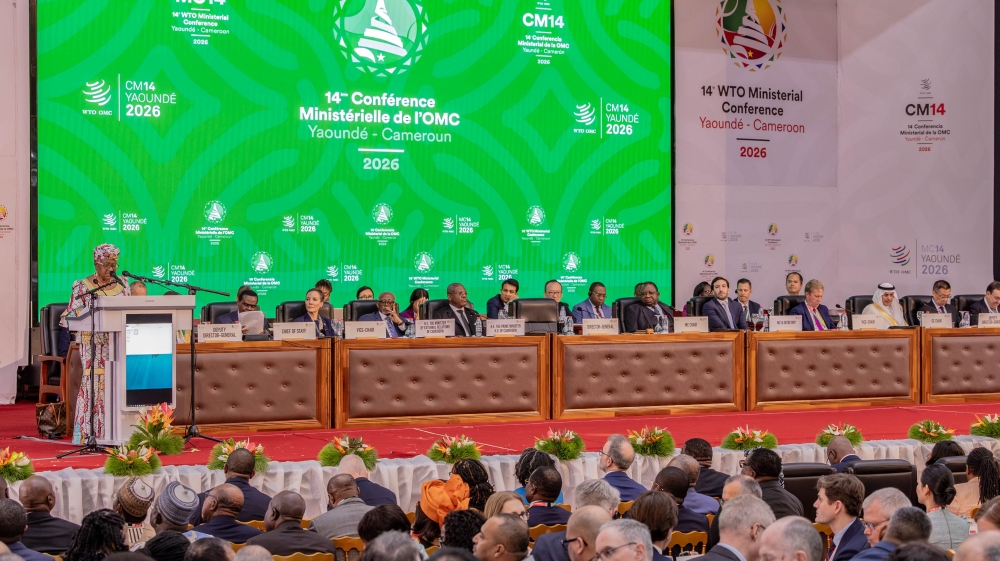
The future of international digital commerce hangs in the balance as global economic powers convene in Cameroon for a critical World Trade Organization meeting. At the heart of the discussion lies a fundamental question that could reshape how we buy, sell, and consume digital products across borders: Should countries be allowed to impose tariffs on electronic transmissions, or should digital goods flow freely across international boundaries?
In a development that highlights the growing divide between developed and developing nations on digital trade policy, India has signaled its willingness to accept a two-year extension of the current moratorium on e-commerce duties. This stands in stark contrast to the United States' push for a permanent ban on such tariffs, setting the stage for intense negotiations that could define the digital economy for decades to come.
Understanding the E-Commerce Moratorium
The e-commerce moratorium has been a cornerstone of international digital trade policy since its inception in 1998. This agreement prevents WTO member countries from imposing customs duties on electronic transmissions – essentially, any digital product or service that crosses borders through the internet. This includes software downloads, streaming services, e-books, music, video games, and a vast array of digital content that has become integral to modern life.
For more than two decades, this moratorium has been regularly renewed at WTO ministerial conferences, creating a duty-free environment that has enabled the explosive growth of the global digital economy. Tech companies, content creators, and digital service providers have built trillion-dollar industries on the foundation of frictionless cross-border data flows and digital transactions.
However, as the digital economy has matured and concerns about revenue loss and digital sovereignty have intensified, developing nations are increasingly questioning whether this arrangement still serves their interests. The current debate in Cameroon represents the most significant challenge yet to the continuation of this long-standing policy.
The Great Divide: Different Visions for Digital Trade
The contrasting positions of India and the United States reflect fundamentally different philosophies about digital commerce and economic development. The American position, advocating for a permanent ban on digital tariffs, is rooted in the belief that free digital trade benefits all nations by lowering costs for consumers, enabling innovation, and fostering economic growth. U.S. policymakers argue that imposing duties on digital transmissions would fragment the internet, increase costs for businesses and consumers, and ultimately harm developing economies by limiting their access to digital tools and services.
India's more cautious approach, favoring only a temporary two-year extension, stems from different priorities and concerns. As one of the world's fastest-growing digital markets with a burgeoning tech sector, India is increasingly focused on protecting its ability to regulate and potentially tax the digital economy. Indian officials have expressed concerns about revenue loss from the moratorium, with some estimates suggesting developing countries collectively forego billions of dollars annually in potential customs revenue.
Key Concerns Driving India's Position
- Revenue sovereignty: The desire to maintain the option of taxing digital goods and services as a legitimate revenue source for government programs and infrastructure development
- Digital industrialization: Protecting the ability to use trade policy tools to nurture domestic digital industries and reduce dependence on foreign tech platforms
- Policy flexibility: Preserving options for future regulation as the digital economy evolves in unpredictable ways
- Bargaining power: Using the moratorium extension as leverage to negotiate better terms on other trade issues of importance to developing nations
What's Really at Stake?
The implications of this debate extend far beyond abstract trade policy discussions. The outcome of the Cameroon negotiations will have concrete effects on businesses, consumers, and governments worldwide. For technology companies, particularly those based in the United States and other developed nations, a permanent moratorium represents certainty and continued access to global markets without the complexity and cost of navigating different tariff regimes in different countries.
For developing nations, the question is more complex. On one hand, they benefit from access to affordable digital tools, software, and services that can accelerate their economic development. On the other hand, they face pressure to compete with established tech giants from wealthy nations while potentially sacrificing revenue sources that could fund their own digital infrastructure and education programs.
The tension between maintaining free digital trade and preserving policy space for developing nations represents one of the defining challenges of 21st-century global economic governance.
Consumers around the world also have a stake in this debate. A continuation of the moratorium likely means continued access to affordable digital content and services. However, if the moratorium lapses or if countries begin imposing duties on digital transmissions, consumers could face higher prices for everything from streaming subscriptions to software purchases. The fragmentation of the digital marketplace could also reduce choice and innovation as companies find it more difficult to operate across multiple regulatory regimes.
The Path Forward: Compromise or Conflict?
India's willingness to accept a two-year extension, rather than allowing the moratorium to lapse entirely, suggests there may be room for compromise. This middle-ground approach could provide breathing room for continued negotiations while preventing immediate disruption to digital trade flows. However, it also kicks the can down the road, ensuring that this contentious issue will resurface at the next WTO ministerial conference.
The gap between a two-year extension and a permanent ban remains significant. Bridging this divide will likely require creative diplomacy and possibly trade-offs on other issues. Some trade experts have suggested that a compromise might involve a longer-term extension (perhaps five to ten years) combined with commitments from developed nations to provide technical assistance and capacity-building support to help developing countries better regulate and benefit from the digital economy.
Why This Matters
The outcome of the e-commerce moratorium debate will shape the digital economy for years to come. In an era where digital transformation is accelerating across all sectors, the rules governing cross-border digital trade have never been more important. For businesses planning international expansion, for governments designing digital economy strategies, and for consumers who increasingly live their lives online, the decisions made in Cameroon will have lasting consequences.
This debate also represents a critical test for the WTO itself. The organization has struggled in recent years to remain relevant in a rapidly changing global economy. Its ability to broker compromises on contentious issues like digital trade will determine whether it can continue to serve as the primary forum for international trade governance or whether nations will increasingly pursue bilateral and regional agreements outside the multilateral framework.
As negotiations continue, all eyes will be on whether India and the United States can find common ground – or whether the digital economy will become increasingly fragmented along national and regional lines. The stakes could hardly be higher for the future of global commerce in the digital age.
Originally reported by Malay Mail. Read the original article →
This article was independently written using AI based on publicly available news. It is not affiliated with or endorsed by the original publisher.